

Best Custom Wall Decal Printing Ideas for 2026
In a busy wedding workflow, a taped-up set of selects becomes a polished gallery before the first client reply arrives. Ten minutes earlier, it was just a mixed folder, a shortlist, and a quick review on the screen. By 9 a.m., the whole delivery feels different.
You see this moment a lot in photographer post-production. A set that looked fine on a laptop suddenly has to work against colour consistency, time pressure, and the way a client actually views the final gallery. That is where AI-assisted editing and refinement earn their place — or start to look like an afterthought.
This guide is for photographers and studios across Sussex who want an editing workflow that fits the gallery, the brand, and the delivery timeline. The ideas below are not ranked by trend. They are judged by what matters in practice: consistency, turnaround, accuracy, and how the gallery is used.
Selection criteria for AI-assisted wedding photo editing in 2026
Before you choose a workflow, set the rules. In real projects, the best result usually comes from matching the process to the gallery first, then worrying about visual flair.
Watch This Helpful Video
To help you better understand custom wall decal printing, we’ve included this informative video from Jennifer Maker. It provides valuable insights and visual demonstrations that complement the written content.
Match the workflow to the gallery
Consistent files, clear selections, and well-structured galleries generally give the most reliable editing results. That sounds obvious, but it gets missed all the time. A clean, well-organised wedding gallery in Brighton behaves very differently from a mixed archive with inconsistent lighting and fast turnaround demands near Arundel.
If the gallery is noisy, mixed, or incomplete, keep the editing plan simpler and add stronger quality control. Fine details, subtle skin work, and delicate colour decisions have less margin for error on awkward sets. On well-structured galleries, you can push consistency much further.
Rule of thumb: if the gallery is rushed, mixed, or hard to review, the process should be simpler and the quality-control plan stricter.
Choose culling or refinement by use case
Culling and refinement suit different timelines. A same-week wedding delivery, a partial album edit, or a large weekend shoot usually points to culling first. Long-term studio consistency, full catalog post-production, or a hero set for a signature client usually needs a more detailed refinement approach.
You do not win anything by overbuilding a short turnaround. You also do not save time by under-specifying a gallery that has to look sharp for years. Match the workflow to the job, not the moodboard.
Design for style, tone, and delivery size
Bold, simple edits usually read better across a full gallery. Finer adjustments suit close review — an album proof, a featured portrait, or a premium selection. Tone matters just as much. A pale, inconsistent set can disappear in a client proof, while the same images in a refined gallery may look perfect.
Test the edits where they will actually be seen. Review a proof set, scroll through the gallery, then step back and check the selection from the client’s point of view. If it looks weak from there, it is not a screen problem. It is a workflow problem in the set.
| Selection factor | What to check | What usually works best |
|---|---|---|
| Gallery structure | File order, duplicates, missing moments, grouping | Clear sequencing and a clean first-pass cull |
| Lifespan | Same-day, same-week, or long-term delivery | Rapid culling for short runs; refinement for fixed delivery |
| Viewing distance | Album close-up or full-gallery overview | Strong consistency at overview; detail up close |
| Gallery conditions | Lighting shifts, skin tones, batch size, turnaround | High consistency and durable quality control in busy sets |
#1 AI-assisted culling for wedding photography galleries
A culling workflow works best when the gallery needs instant structure and a clean first pass. Best for wedding deliveries, studio archives, client previews, and entrance-to-edit pipelines where photographers need to know exactly what stays.
Best for wedding galleries and first-pass review
AI-assisted culling is especially effective in large wedding galleries because it creates an immediate shortlist. In a Chichester studio or a Crawley post-production team, the raw folder is often the first uninterrupted set a reviewer sees. That makes it prime material for a fast, reliable pass.
You do not need to overcomplicate the first stage. One well-structured cull can do more than a messy manual review of every frame. Clear selections around it often make the workflow feel more confident.
Why clean selects beat busy folders at scale
Across a large gallery, strong, simple selections stay readable far longer than mixed picks, duplicates, or highly repetitive sequences. If you have a complex shoot, a wide range of light, or a crowded timeline, expect trouble without a disciplined cull. The reviewer reads structure first, detail second.
If a gallery takes too long to interpret, the culling stage has been set up too loosely or too late.
How to keep selections and image order sharp
Use clear batch structure wherever possible. It scales more cleanly than ad hoc review, especially for wedding galleries with hundreds or thousands of files. A mixed folder pulled from multiple cards may look acceptable in storage, then fall apart once it reaches delivery.
Ask for the final use case, the client’s style, and the delivery timeline before finalising the workflow. In Eastbourne and Lewes studios alike, image order often shifts visually once album needs and gallery presentation enter the picture. Good sequencing and accurate selects do a lot of the heavy lifting here.
#2 AI refinement editing for photographer galleries
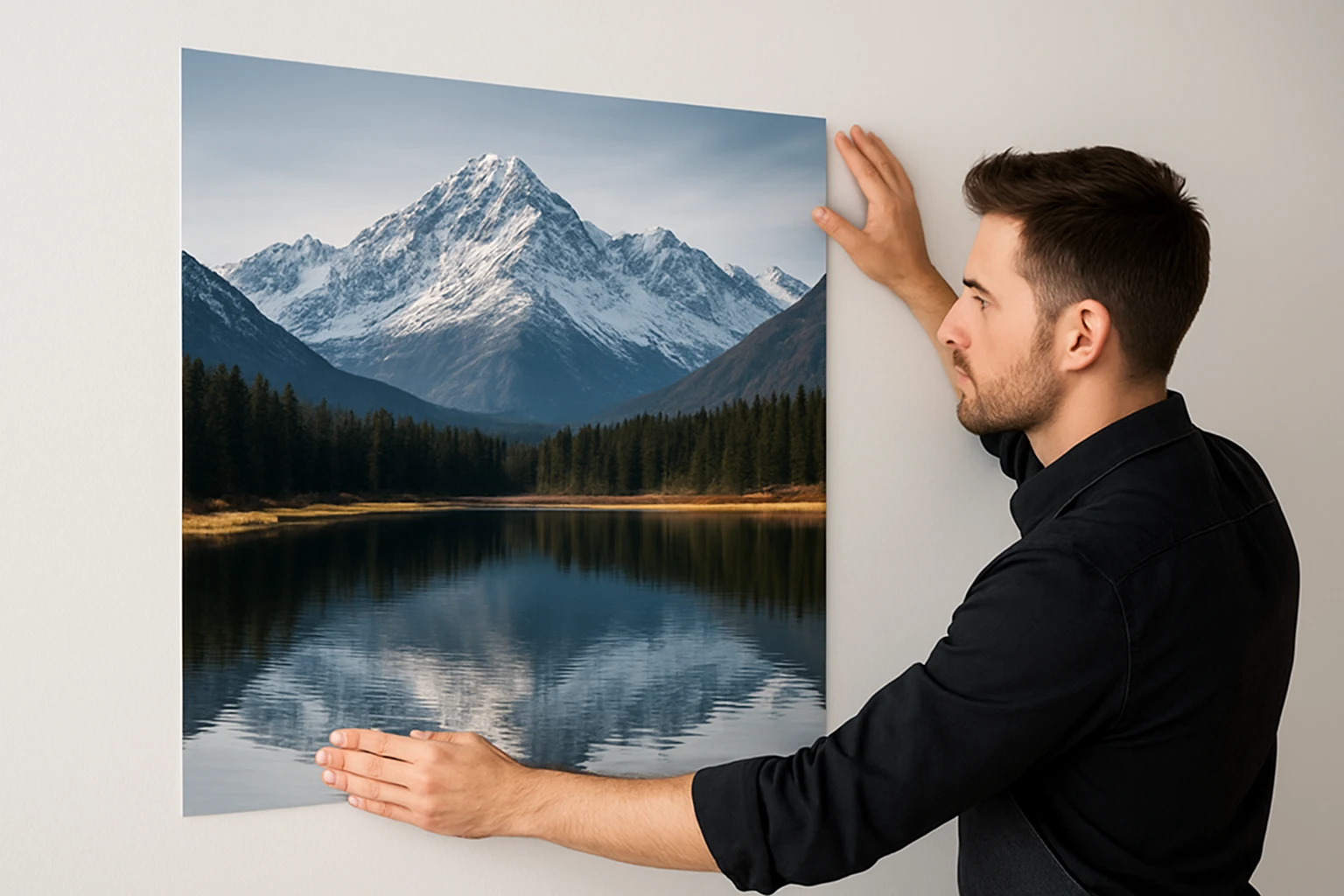
AI refinement editing is the practical favourite when you want speed without sacrificing style. Best for wedding galleries, portrait sets, delivery-ready image batches, and finished galleries that still need human quality control.
Wedding galleries, portrait sets, and delivery-ready batches
AI refinement can provide consistent colour, exposure, and tone while still leaving room for final human correction. That is why you see it so often in wedding galleries, portrait edits, and photographer workflows that need a dependable finish. It softens the workload instead of replacing judgment.
In a small Brighton studio, that can make the post-production day feel manageable. In a high-volume wedding workflow, it can make the difference between a delayed handover and a gallery that is ready on time.
Consistency, skin tone, and subtle cleanup
You do not need to overhaul every image in the same way. A simple consistency pass may be enough for some sets. Other galleries may need light spot removal, blemish cleanup, or more careful correction to match the photographer’s style.
The best choice depends on light, skin tone, and how the gallery is intended to be delivered. A premium album proof needs a different level of polish from a large batch of preview selects where most images are viewed quickly.
Adding quality control to AI output
AI refinement also helps people see the image itself. Contrasting corrections or targeted adjustments can make a gallery easier to review and help reduce obvious mismatches. That small quality-control benefit matters in busy studios and client-facing delivery systems.
Consistency does not have to mean rigidity; AI refinement is the easiest way to speed up a gallery without closing down the photographer’s style.
#3 Hybrid end-to-end editing pipelines for studios
Hybrid pipelines are not glamorous, but they are often the most useful editing systems in a studio. Best for wedding photographers, high-volume post-production teams, and end-to-end workflows where the gallery needs guidance from cull to final delivery.
From cull to AI edit to refinement
Hybrid workflows work best at the point where the gallery needs an efficient decision path. That could mean culling first, then applying AI editing, then finishing with refinement and final quality control. People do not remember chaotic workflows well when they are moving through a busy season.
These pipelines work best when they appear at the moment a decision needs to be made, not several steps later. A studio cannot afford to review the same files repeatedly when turnaround is tight.
Why repeated QC checks work better than one final pass
Hybrid editing works best at decision points such as selection, correction, and handover, not just at the end of the process. One large QC pass at delivery feels efficient, but in practice, problems often surface too late. Repeated checks are calmer and more effective.
If clients keep asking for revisions, the workflow is too subtle or placed too late.
Keeping style matching consistent across the set
Consistent style matching makes multi-gallery work easier to manage. Keep the tone, contrast, and colour logic aligned. If one wedding is warm and soft and the next is crisp and neutral, do not swap that logic halfway through the edit.
In larger Sussex studios, even small inconsistencies create hesitation. And hesitation is what good workflow design is supposed to remove.
#4 Custom-built AI editing profiles for photographers
Profiles work well when the studio needs a recognisable edit more than a generic output. Best for photographers, retouchers, and teams where a custom AI profile can carry the same tone across multiple galleries.
Best for signature styles and repeat work
Custom-built profiles and profile-building for AI editors such as Imagen or Aftershoot are especially effective for photographers who want the same visual language across every delivery. These are places where you pass slowly through repeated work, pause briefly to check consistency, or look up from a queue of files. A defined profile has time to land.
A town wedding in Hove might suit a softer, warmer profile. A fine-art couple in Littlehampton might need a cleaner, more neutral interpretation. Same idea. Different tone.
Choosing a short set of rules over endless manual correction
Defined style rules are usually easier to maintain than long manual correction notes. Keep the profile tight. If it takes effort to apply consistently, the workflow starts to feel cluttered instead of considered.
If the edit needs a long explanation every time, it is probably too complex for a repeatable profile.
Using profile tuning to control impact
Scale lets you control mood. Small adjustments create subtle consistency. Stronger profile tuning can make a gallery feel more dramatic. Profile building is also relatively easy to refresh if the photographer’s style changes or the delivery expectations evolve.
That flexibility makes it a good choice for hybrid studios — photographers who deliver a lot of similar work, or teams that need one stable look across different wedding seasons.
#5 Secure client portals and delivery-ready edited image galleries
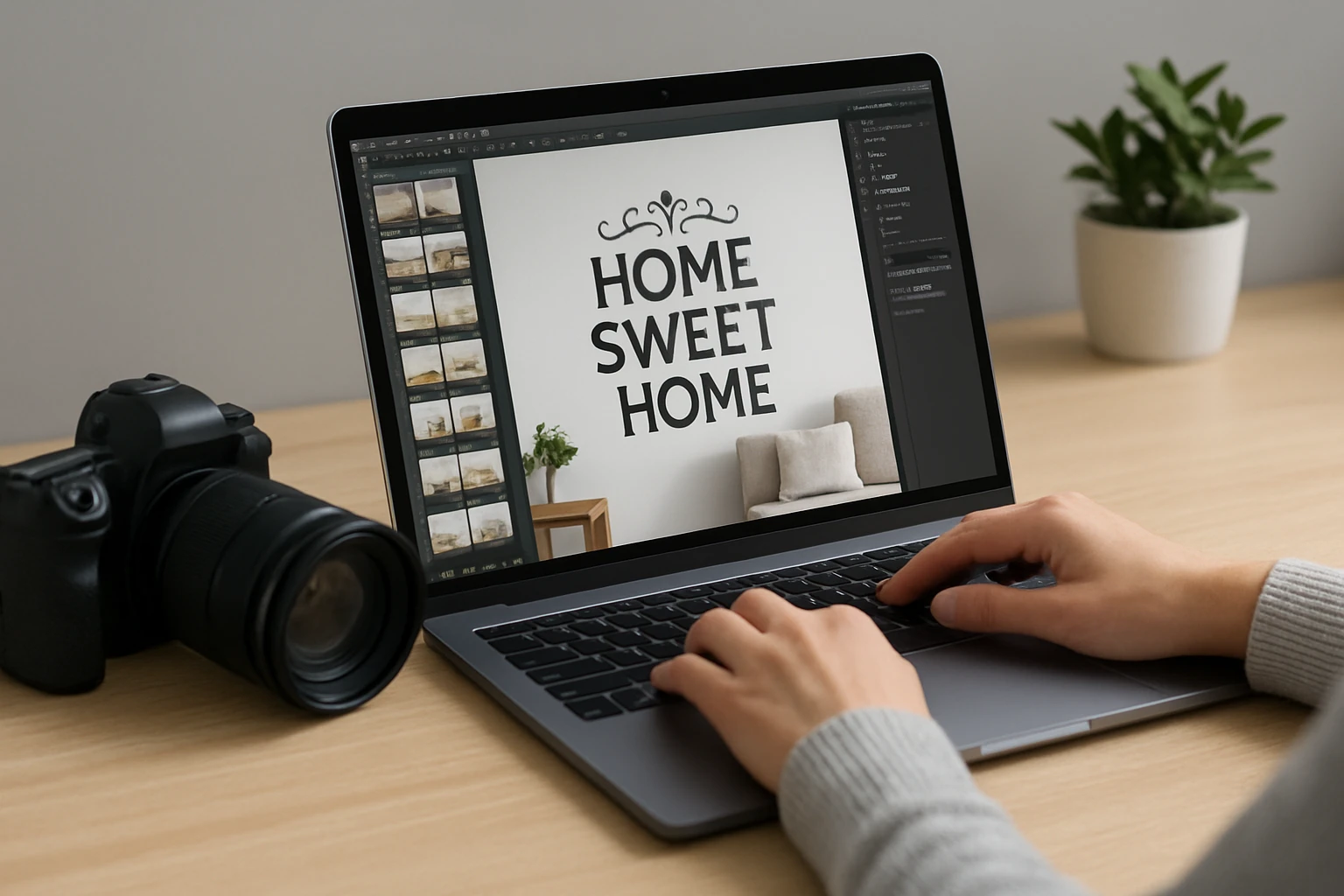
Client portals are the practical option when the studio needs a safer, cleaner handover than email attachments alone. Best for photographers, enterprise teams, and delivery workflows that need access control, consistency, and a polished final presentation.
Client galleries and delivery dashboards
Secure portals can transform a raw handover into a controlled, branded client experience without covering the whole workflow in admin. That is useful for wedding photographers and enterprise teams alike, where one secure space can set the tone while the rest of the process stays calm.
Because the tone is softer and more professional, these systems often help where ad hoc file sharing would feel too fragmented.
Using separate access layers instead of one fixed folder
Individual portal sections can be spaced to fit awkward delivery needs and allow for future updates. That gives you flexibility around previews, downloads, review comments, and access permissions that may move later.
Use separate access layers if the workflow may change later; it is easier to edit a portal than rebuild the whole delivery system.
#6 Enterprise web applications and bespoke database portals
Some systems only need to win for a few days or weeks. Best for internal tools, secure portals, enterprise dashboards, and custom applications where speed matters, but reliability matters more.
Internal tools, secure dashboards, and workflow systems
Custom applications are useful for post-production queues, client communication, database access, and enterprise web workflows. They can turn a blank process into a controlled operational tool fast. That speed is valuable when a team needs to centralise data, permissions, and delivery.
A temporary spreadsheet in Eastbourne does not need the same build quality as a managed enterprise portal in Haywards Heath. Different jobs. Different systems.
Why custom platforms are easy to evolve
Secure web applications can be updated without rebuilding the whole stack. That makes them practical for multi-step workflows, database changes, and managed cloud infrastructure. You can change the interface, the permissions, or the integrations without redoing the whole system.
Design for the workflow length, not the system’s lifetime.
Adding access controls, compliance, and delivery logic
Enterprise portals often include practical details such as role-based access, audit logging, data mapping, and secure delivery logic. Keep those elements well-structured and easy to use. Permission errors, unclear navigation, and poor data flow can all kill usability.
If the platform has to manage and inform, make the hierarchy obvious. Dashboard first. Task second. Supporting detail third.
How to choose the right option for your workflow
The best choice depends on the job: cull, refine, deliver, or manage. Once you decide the job clearly, the shortlist becomes much easier.
Decide whether the goal is culling, refinement, consistency, or delivery
Start with function before style. If the gallery needs fast first-pass selection, AI culling is probably stronger than full refinement. If clients keep requesting tone changes, a custom profile will not solve it alone. Match the workflow type to the problem first.
| Primary goal | Best option | Typical setting |
|---|---|---|
| Fast selection | AI-assisted culling | Wedding gallery, studio archive, preview set |
| Style consistency | AI refinement editing | Delivery gallery, retouch batch, client proof |
| End-to-end workflow | Hybrid cull → AI edit → refinement | Wedding studio, high-volume production team |
| Repeatable look | Custom AI profile | Signature photographer style, recurring deliverables |
| Client access | Secure client portal | Gallery delivery, approvals, download handover |
| Workflow management | Enterprise web application | Internal tools, databases, custom operations |
Check turnaround, quality control, and implementation complexity
Gallery size, style consistency, and how long the workflow needs to stay in use should affect the process and platform choice. Busy wedding seasons, large batches, and enterprise environments often need systems that cope with repeat usage and regular review. Secure portals need precise permissions. Complex data models may force a simpler implementation plan.
This is also where integration matters. Some projects in West Sussex mix workflow types — culling in one stage, AI refinement in another, portal delivery elsewhere — because one tool rarely solves every operational need equally well.
Use mockups to test flow before building
A full-size workflow mockup helps avoid process mistakes before anything is deployed. Map the steps, sketch the interface, or place the flow over a real client journey and compare it with the actual use case. It is a small step that saves expensive hesitation later.
For wedding photo editing and enterprise development, that final flow check is often the difference between “that fits nicely” and “that should have been simpler.” Requirements lie. Real workflows do not.
The right solution is the one that solves the team’s problem without making the process feel overdesigned.
Good wedding photo editing and enterprise development starts with fit, not fashion.
Match the workflow to the gallery or the system, and the finished process will feel sharper from day one. Which gallery, portal, or internal tool is asking for a clearer job right now?
Create Distinctive Workflows With Pixelperfection
From AI-assisted wedding photo editing and custom profiles to secure portals and bespoke enterprise applications, Pixelperfection delivers polished, reliable results for photographers and businesses across West Sussex and Sussex.
Generated on SEOPro AI